Episode Transcript
00:00:04] Intro
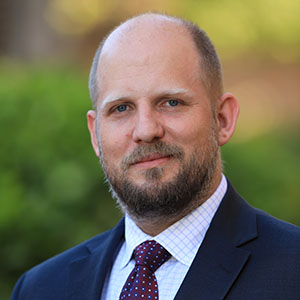
[00:00:27] Kirk: Today we have something really special. This is our very first ever Talk the TAUC podcast video edition. We're here with Ike Pritchett from A Hard Hat Saved My Life. Ike, thank you so much for joining us today.
[00:00:38]Ike: Thank you. Appreciate the invitation.
[00:00:41] Kirk: I just want to start. Tell me a little bit about your background, how you became an iron worker, and just the story before the accident.
[00:00:46] Ike: Okay. It started a long time ago, actually. I was 14 when I started putting out metal buildings for a guy down the street. I lied to him and told him I was 16 because he wouldn't hire me other than that. I actually started doing it when I was 14. By the time I was 17, I was running two crews for that guy. It was really awesome. I knew right then that's what I wanted to do. I didn't want to go to college or anything else. I just wanted to graduate high school and I wanted to go set iron.
[00:01:11] Right out of high school, I got in Local 10, got organized through Local 10. I got in their apprenticeship program. February of 1999, I became a member of Local 10 Ironworkers. Like I said, book number 1263430. I love my job, it's awesome. You get to build the skyline, you get to build bridges. The infrastructure of the city is what you get to work with.
[00:01:32] Kirk: You're assembling the world. Yeah, you're putting it together. You graduated in 1999?
[00:01:36] Ike: No, I graduated in 1997. I waited a little bit.
[00:01:38] Kirk: Okay. I was like, oh, wow. Okay, cool.
[00:01:41] Ike: Yeah. I graduated in 1997. My dad was a teamster, and he actually got me a job for a short time loading and unloading cars for the teamsters, brand new Fords, on and off the rail. I didn't like that job because I didn't see production. You would come in, and you'd have the same amount of cars out on the lot and the same amount of rail cars there. All you did, you just switched them back and forth.
[00:02:01] Kirk: Right. You didn't get to see the effects of what you were doing.
[00:02:04] Ike: Yeah, I didn't see any production. It was cool, don't get me wrong, but it wasn't my cup of tea. I wanted to build stuff. That's how I got in. Right when I first got in, I had the metal building background. They placed me with building erections on the metal building side. We started off doing metal buildings way bigger than the ones that these little barns that I was putting up. They were these huge warehouses. It was pretty cool. I got my feet wet in that.
[00:02:30] My older brother was in ironworkers also, ahead of me. He was a really badass connector and got to go to any job that he wanted to, really. He finally got me away from building erections. My first like real structural job was at Hawthorne Power Plant. That was pretty intense, a lot bigger iron and that thing. That job was wrapping up, and then I got into Lafarge Concrete, another big industrial build, a lot of big iron. It was really cool.
[00:02:59] Unfortunately, I lost my brother in 2000. He's an ironworker. He fell off of a bridge building Chouteau Bridge, November 17th, 2000. Shortly after he passed I went back. I was a third year apprentice. I was back in school through my apprenticeship, and I run into another, of course, ironworker friend of mine. He's like, where you working at? I was like, oh.
[00:03:22] Apprenticeship was the only time you could drag up as an apprentice. You could go to a different job if you got a referral. He's like, why don't you come over to Clarkson? I was like, what do you got at Clarkson? I knew a couple of the guys over. He's like, we built bridges. I was like, oh, I don't know if my family wants me to jump over there right after that.
[00:03:42] March 2002, I started with Clarkson Construction and started building bridges, and it's amazing. It's awesome because like I said, you get to actually build something that everybody uses every day, and they depend on it, to get from A to B. There's a lot of people that only know one direction. If you have that road closed...
[00:04:01] Kirk: Just for my personal, when you get there, are you replacing bridges, are you building new bridges, are you refurbing bridges for the most part?
[00:04:09] Ike: It's everything. Design, build. On these new ones, you'll demo some and build new ones. We got a couple of bridges going on right now that are rehabs. You take the deck off, you do some beef up underneath and just structural repairs type things, and then put a new bridge deck on top of it. It could be a whole new bridge in an area that never had a bridge before to replacing in certain spots that already had bridges, but you tear them down and build new to just repairs on existing bridges.
[00:04:44] Kirk: Yeah, and like you said it's things that people use in their real life passively and absently every day. It's a necessity to them. That's really cool.
[00:04:53] Ike: Yeah.
[00:04:53] Kirk: It's different than moving cars on and off. Moving cars around a lot, it's a very different world.
[00:04:59] Ike: Yeah.
[00:04:59] Kirk: Okay. You lost your brother in 2000, and he fell making a bridge?
[00:05:04] Ike: Yeah, so he was working on a Chouteau Bridge, which was another big bridge that went over Missouri River in Kansas City. What happened was he was a go-getter. He was 110 mile an hour. Bottom line, they're out on a river pier that was right next to the river. The girders were 15 foot deep, and the bearing pad was off just a little bit.
[00:05:23] What they had to do is, they had to go down there, jack the girder up with the hydraulics, and then move the bearing pad. We call it a porter power, but it's a hydraulic ram. Move the bearing pad, reset it, get it right where it's supposed to be, and then let the girder back down.
[00:05:36] He got a little anxious. Nobody could get him the porter power fast enough. They were looking for a piece of rope to lower it down to him. He got a little anxious untied, climbed up, grabbed a hold of the porter power, and it's a pretty heavy assembly. Long story short, he lost his footing on the way down, and he wasn't tied off.
[00:05:56] It's been 25 years. I talked to a lot of the same guys that worked with him throughout the industry. I do the job that he did too. It's really cool because I wish I could have done one with him.
[00:06:10] Kirk: Sure, of course.
[00:06:13] Ike: Carrying on, it's almost like carrying on a legacy too because like I said, he was really awesome. Like I said, he was a badass connector and everybody knew it. Anybody from Kansas State knew who Mack was.
[00:06:24] Kirk: Lose your brother, that has to be really hard. Was it ever like, maybe this isn't the right job, maybe this is too dangerous?
[00:06:31] Ike: I thought about it, but I was young. Also, at that time I didn't have a family. I didn't have a wife, kids, or anything. I was vested. I was making good money, good insurance, and everything else.
[00:06:41] That's what my family even asked me. They're like, are you going to get out of it? I'm like, hell no, I'm not getting out of it. I was like, do you see the money we're making, I'm making? The money's great, retirement already. I got a retirement plan, I got insurance. At this time I'm 21 years old. I'm sitting on top of the world, really. No, I wanted to continue.
[00:07:00] The only time that I got scared and almost got out of ironwork was 2008. We were doing a bridge, 69 highway flyover. It flew over the top of another bridge and then down around. The boss that I was working for, actually I was working at I-10, and then they asked me to come in and bring a crew in. I was actually supposed to go to a different job and do these expansion joints on a repair. It was supposed to be a real simple night. It was a weekend work type thing. We'd been working up at I-10 on the Powerhouse, and then this was a weekend shutdown for the highways.
[00:07:39] Mitch calls me, he's like, hey, we had some issues. There's some other guys that aren't coming in. Instead of going over to Manchester, I need you to come down here at 69 and set some girders. I was like, yeah, we can do that. I had me and two other guys. We get down there. This is the first time I've been on the job site, but we were going to set these huge double splice girders that were already spliced together. We had to walk out. We had to pick them up, spin around, walk out on the highway to set everything. Big, big pick. The capacity of the crane was right at 92%.
[00:08:13] Kirk: Geez.
[00:08:14] Ike: Yeah.
[00:08:14] Kirk: Okay.
[00:08:15] Ike: We start picking up the girder and he gets it, what I call sidetrack, weighing the operator. He turns and he's like over the side of the track. When we crawl out, we got to crawl up a hill. I was like, don't you want that in front of you? I was like, let's swing that girder all the way around, get it in front of you. He's like, no, I want to crawl out like this. I was like, all right.
[00:08:33] He starts to crawl out. When he does, the plates that we had underneath for stability for the crane, one of them shot out. When it shot out, it made the crane drop. Long story short, we lost the load. It tore the boom out, the girder come down, and all hell broke loose. We're just lucky that nobody lost their lives.
[00:08:53] Kirk: I was just going to say, was everyone okay?
[00:08:54] Ike: Yeah. The only injury we had on the job was our CFO was out there at that night. He was watching this big pick. When all this shit come crashing down, he takes off running, jumps over the barrier wall because everybody's running just whatever direction they can to get out of there. He jumps over the barrier wall. When he does, he hits some gravel and blew his knee out.
[00:09:17] Kirk: It was related to the accident, but not even related to the accident. He got injured running away from the accident. It's funny.
[00:09:26] Ike: I heard the boom of the pint line. The pint line is what broke, and then that's what drop the girder and pulled the whole mast of the crane out. I heard the pop. I was standing between the tracks talking to the operator. I heard the pop. Wayne told me, he's like, I never took my off.
[00:09:43] The girder's falling this way, boom's falling this way. I take off running towards the back end of the crane. I'm like, hey, everything's going that way. As I'm running, it was night and all I see, it looks like rain coming down. What it was, all the cable backlashed and was coming backside of everything. I'm running as hard as I can, as fast as I can, as far away as I can. Everything dust settles, everything comes back.
[00:10:11] The first thing we do, hey, get a count of everybody. I start calling out names. Everybody gets back over there by the crane. We're sitting there, everybody's all right, nobody's injured. Wayne looked at me and goes, how did you and Bobby weave through that cable? I kept watching you. He's like, you were just zigging and zagging through that cable. I was like, nah, brother, I was running straight. I was like, good Lord must have had his hand on me.
[00:10:35] Kirk: That's awesome.
[00:10:36] Ike: That was the first major time that I almost thought about contemplating to getting out. I went home, grabbed my two kids at the time, and I held them for two and a half hours. My son, I remember he was big enough and he was wiggling. He's like, dad, let me down. I was like, nope, you're not going anywhere. I'm just going to hold you. After that, Mitch called me up and he's like, hey, we're going to reset that bridge. Do you want it? I was like, damn right.
[00:11:08] Kirk: Yeah. If you fell off the horse, you get back on. Yeah.
[00:11:10] Ike: I was like, it ain't going to kick my ass.
[00:11:13] Kirk: Right, no. I get that.
[00:11:15] Ike: It was almost three and a half weeks later because it deformed a little bit when it fell, of course. They brought this company and I've never seen anything like it. It was really awesome. It's called Flame On. It's a company they come out, and they heat straighten everything.
[00:11:28] We stood the girders up. We cut the splice plates out. They made new splice plates. We stood the girders up. They did this heat straightening on this thing, and in three weeks we're ready to go again.
[00:11:38] Kirk: That's crazy.
[00:11:40] Ike: I'll never forget it, the main superintendent, Dick Warner was his name, the night that we were setting this girder back, we went slow and low. Everybody was on edge and everything, I got it set, and we're grabbing it with two helper cranes to hold onto it. We can bring another gird up because you got to set two and then set the diaphragms in between because it was on a radius, or it wouldn't stay up there by itself.
[00:12:04] I just remember. The main superintendent come over and he's like, if you just do what I told you, get rid of that son of a bitch, let's go, we got to get another girder up there. I looked at him, I said, hey Dick, we already dropped the son of a bitch once, we ain't going to do it again. I said, so we're going to do it at my pace. Yeah, he ended up walking off, but I'll never forget it.
[00:12:21] You could see the sigh of relief. When the guys got it set, everything went great, and we got everything tied in, the sigh relief, you could fill it throughout the whole thing. Everything really just started rocking and rolling, going smooth. That's about the only time that I thought that we could make it out.
[00:12:41] Kirk: You talked about something interesting there. You said the superintendent was pushing you to move faster. You pushed back on safety and that's awesome. Talk to me about the safety culture. You got your book in 1999, we're talking 26 years. When you hear the really crazy stories, it's always some guy back in the 70s. You've been just the 2000s basically. How have you seen the safety culture evolve just this century?
[00:13:06] Ike: It's amazing. I'm not going to lie. When we first started off, number one, you had an MSA hard hat, six foot lanyard. At first we didn't have double lanyards. You had one, so you're never actually a hundred percent tied off, and then they switched. Of course you got to be a hundred percent tied off, so now you got two lanyards on your back.
[00:13:25] I was raised up with a lot of old school ironworkers. We would do safety, but we would go and roundabout way of doing safety also. I'm not going to lie, I didn't always tie off. I didn't always do everything the way they supposed to do it. I was a go-getter. I wanted to be known as the fastest, the best, you didn't have to come back to fix my work and get in and get it done, and that kind of guy.
[00:13:50] Safety culture wise, shit, I can't tell you how many times we didn't have safety glasses on. We didn't wear gloves. I had cut off shirts with a Miller harness that I got from my brother that was probably not good. It'd been around a while. You're supposed to inspect it and everything else. I'd moved my D-ring way down because I didn't like it up between my shoulder blades, so it wasn't even positioned correctly.
[00:14:14] As I went, throughout my career and safety changed, I think a lot of stuff started changing right around the time that they brought out. We do a lot of work on the roads and bridges, of course. I think we were pretty much the first step of the Hi Vis shirts, vests, and that thing. I remember everybody complaining so much, oh, these things are so hot, they're so heavy, I don't want to wear this, and I don't want to wear that. It was just like that. You still had to evolve with the safety.
[00:14:48] We changed and we had to put the Hi Vis vest on now, and it had to be the four-inch sleeves with the class three reflection, blah, blah, blah, and everything else. Safety evolved. It wasn't there when I very first started. Part of the reason that I wasn't as safe as I am today is because I was uneducated also.
[00:15:08] Through time, and as I moved up from just being a guy in a gang to a foreman, to a general foreman, and then to a superintendent, there's a lot of things that goes into the safety aspect of it. At the end of the day, nobody comes in to work wanting to get hurt. I promise you. I try to surround myself by guys that are actually better than me and faster than me because it makes my job a lot easier.
[00:15:32] I take on what they want to say too. If they need a different tool or they need this, or whatever they need to help them get the job done, I'm fine with that. I can get you whatever you need if that's going to make you feel better. In turn, I have to also be like, hey, but I need you to do this for me. That's where the safety involved come in.
[00:15:52] The safety director Jeff Gamble for Clarkson Construction, when I very first started getting up into the general foreman era, I made good friends with the safety guy. First it wasn't good terms. He was coming out to complain about how we're doing things, but me and him developed a really great relationship. That's why he would always come to me. He's like, all right, here's the deal. I got this new product out, I want you to try it. I want you and your guys to try it.
[00:16:19] No matter what it was, he would come to the ironworkers first because we're the biggest assholes when it comes to anything. He's like, if I can get you guys to do it, all the other trades will follow, I promise. If I can get the ironworkers, he's like, but the only way I'm going to get the ironworkers, I'm not an ironworker. I got to get you to do it. If you do it, then your guys will follow you, and then it will trickle down. It will follow suit. Yeah, Jeff Gamble.
[00:16:47] All my apprentices at the times, he'd come out with a new harness or whatever, or a new this or knew that, and I'd be like, all right. I'd pick out one of the guys and I'm like, all right, come over here, change your belt out, try this belt out. That's how we started getting our safety program a little bit better than what it was.
[00:17:03] Kirk: Actually, I'm going to stop and go back a little bit. You and I are roughly the same age. I'm a few years younger, but I came up through Iozzi stage rigging. I was doing concerts and stuff. Still walking cables, but the things I have are a couple hundred pounds, not a couple of tens of thousands of pounds. It's similar math on a different order of magnitude.
[00:17:20] I remember exactly, I'm wearing the harnesses and safety guy's not looking. I can get out there and get back. I can walk and. We can do this faster, I can do this cooler. I don't need to put a lanyard on my wrench. If you drop a wrench, someone will die. I was right there with you. At the end of the story, you're the one testing all these. What changed? What made you willing to battle test the stuff for the safety guy?
[00:17:42] Ike: Because I got more educated on what we really, actually needed to do. We had a false sense of security. When the steel cable retractables first come out, I think they sold us on a false sense of security. Mainly I just wasn't educated. I didn't know enough about them.
[00:17:58] We'd have these 50-foot retractables. They may not be tied off, but maybe three foot up, but then you're way out here with it, and then you're over a leading edge. We thought that since it was steel, if you fell, it caught the side of whether it's precast girder, steel girder, or whatever, that you're fine because it's steel. It's not steel on steel, it's not going to break.
[00:18:19] I went through a couple classes that our safety guy sent me to and sent a couple of us superintendents and himself. We started getting educated on because like I said, when I would talk to some suppliers, I think I've just got false sense of security. I thought I was doing right for my guys.
[00:18:36] The whole reason that I switched my thinking of the safety culture, like I said, it does go back a lot to my brother. It goes a lot back to my nephew that still asks me questions every day because was two years old when his dad passed. It still hits me all the time of when an accident happens, it's not just to that person. It's a ripple effect and it affects everybody around you. It affects your family, it affects everything.
[00:19:01] At the end of the day, I want my guys to go home safe. I tell my guys this all the time. They get mad at me when I tell them, buckle their chinstraps, tighten their leg straps, whatever it is. They're like, why you always get on my ass? I'm like, because I don't just need you today. I need you tomorrow. It's not only a freaking day long.
[00:19:20] The thing is you need to get your job done, but you need to do it safely. If you're not wearing your PPE properly, it's not going to do its job. You have to wear it properly. Once you start wearing it properly, number one, hopefully you never get hurt. You don't have to let it do its job, but you have to wear it properly to do its job.
[00:19:37] Here's the other deal, I don't want you to get hurt because I need you tomorrow. I don't want to have to call your fucking wife and say, hey. Joe fell over here and hurt himself because he wasn't paying attention. He got in a hurry, he got complacent. I'm not about production as much as I'm about you going home safe coming back tomorrow because we'll always do it again tomorrow. We'll always have another day to do it.
[00:19:58] Kirk: When I was got to running crews rigging and stuff like that, I was like, hey, don't do that, you're going to get hurt. If you get hurt, I'm going to laugh at you, and then I'm going to feel bad. For me, I don't care, man, you're a dumb ass. For my sake, I don't want to laugh at you. Just don't do it. They're like, I get it, I get it. Fast forward back. You're testing the equipment for the safety guy. That's really cool. Is that how the helmets entered the new type twos?
[00:20:27] Ike: Yeah. The type twos, we were out on a bridge. It was a repair job. Big long bridge across the river. Jeff Gamble came up to me again. He's like, all right, here's the deal. I knew it because I sat on the Impact's RAB board. Some of our guys that were in Denver, they had already started implementing these on certain bigger jobs, the mega jobs, and that kind of thing.
[00:20:52] Of course I did not want to change my hard hat. I got my hard hat. I got my style, the ironworkers got theirs. I'm an ironworker. This is our style. This is brown hard hat, I'm not changing. Jeff Gamble comes out. He's like, here's the deal, you know it's coming. I said, well, all right, give me every one that you got. I said, because the only way I'm going to sell these guys on it, you got to give them options. You can't just tell them this is the one you're going to have.
[00:21:14] I said, we got to give them options, so they have the most comfortable piece of shit on their head that they think. I was like, if you give them options, it's their idea, it will be a lot easier to sell them on it. We did. I can't remember what all three. I know it was Milwaukee Cask and there was another one, and I can't remember which brand name it was. Anyway, I brought them out and everybody hated the chinstraps.
[00:21:36] I didn't have a problem with the chinstrap because I ride a motorcycle anyway and used to it. I didn't have a problem with it, but that's how we decided to go with which one we did. Like I said, I left it up to the guys, and the guys got to make the decision whichever one was the lightest and felt the most comfortable. Some of them had some irritating chinstraps I guess or whatever.
[00:21:58] Jeff Gamble came back and I was like, all right, all my guys, we've been doing this for three and a half, four weeks, and I'd make this guy wear it for a while and this guy, and I'd just trade it off. The only problem we've run into is getting applications for it, for the welding hoods, and that thing when it first came out. They're doing a lot better now.
[00:22:16] Kirk: Right, with all the attachments stuff.
[00:22:19] Ike: Yeah. At first, that was a brick wall that we were hitting because they didn't have the right halos. These new type two, they actually come down a little bit lower to help out on the forehead. When you'd bring your welding hood down, that was interfering with your vision up there. We had a couple of guys manufacture their own and just jerry rig one up and try to make it work. Like I said, they've come a long way with the attachments now.
[00:22:47] With that being said, when we did that, we also did elevating of our stanchions. Most of our bridge stanchions were right at waist level. I went to alliance. They sent me to another safety week long training for fall protection, fall arrest, fall rescue. It's really a good training. It hit every point. Alliance is the company that makes it. They have their own line of safety and everything. When I went down there, that was another thing, where the false sense of security that I had with these other retractables.
[00:23:21] I'm sending videos back to my safety guy. I'm like, hey, we can't have those out in the field. We can't use them the way we were using them in the field. We weren't using them properly. It goes back to what I was saying earlier. If you don't use it properly, it can't do its job.
[00:23:36] We went back to Clarkson and brought back this pamphlet, and that's one thing I will say. They've never given me a dollar amount that I could spend on safety. I spent over a half a million dollars changing out, and that was only changing out maybe 50% of our safety lines. We elevated our tie off, so now it's seven-foot or 72 inches, it's six-foot. When it comes down, it stacks down a little bit.
[00:23:59] It's right about the top of your head. We did away with all the six foot lanyards. There's no six foot lanyards on any of my jobs anymore. Now you got the double retractable on your back. What that does is if you were to fall, it eliminates your fall distance, period. Luckily, we haven't had to see that.
[00:24:17] I've only seen it one time. It was a [inaudible 00:24:21] stepped out onto overhang jack that had plywood on it and just stepped into a rotten spot. He fell, but it caught him so fast that he was literally able to grab the line himself and step back up on the girder. He just had to balance himself a little bit. It was less than a foot and a half drop and he stepped back up on the girder. That's how fast it caught him. Like I said, the other ones, if you had your six foot lanyard, you're tied off at your waist, you're falling almost 16 foot actually before your lanyard and everything, absorbers and everything hits.
[00:24:17] Plug
[00:25:12] Kirk: I remember I went to a safety class for stage rigging. They talked about, just because it catches you, that's the beginning of your problems. You're now dangling from 180 foot, 120 foot grid. Getting you back up, getting from compressions, from all the different things that could go wrong at that point, it didn't save you. Everything's fine. That's when the problems start. You learn that the retractable ones stop you much faster. There's less whiplash.
[00:25:43] Ike: Yeah. Some of the harnesses didn't have the trauma straps. I don't know if everybody knows what that is, but what it is is if you do fall into your harness, you just undo these little, almost look like bungee cords. You can put them under your feet, then you pull them a little bit tight, and then that way it takes off all the pressure that the leg straps put on because it can cut your circulation off, and then now you have more problems just like you said.
[00:26:06] Kirk: I'm saying, yeah, the compression.
[00:26:08] Ike: Yeah. It all goes back to educating yourself on safety. Once you educate yourself on safety, it makes a lot more sense. You're going to go ahead and do it. Like I said, at the end of the day, everybody wants to go home safe. I don't want to see anybody get hurt and I want you back tomorrow.
[00:26:23] Kirk: You've been trying these helmets out with your guys. Was it that first job when you were still trying them, or it was the next job?
[00:26:31] Ike: It was almost two years down the road. We'd already implemented these helmets for two years.
[00:26:35] Kirk: Okay.
[00:26:36] Ike: Through Clarkson. This was a joint venture with another company. I did have to hire a lot more guys than I usually had at Clarkson. I had a lot of work going on. I had this massive bridge project going on, where I had 60 ironworkers just on that job, and then Clarkson had other jobs too going on. It was a major project. It was $280 million project with 107 steel girders that were 15 foot deep. This thing was amazingly huge, over 10,000 ton of iron. Integrating those new guys into it also was a little bit tough. Like I said, they'd wear the hard hat, but then they'd want to take the buckle and they want to strap it back here.
[00:27:18] Going into my accident. When my accident happened, that's one of the weirdest things I heard, but it was true, was my guys were like, I know it happened to you, but I'm glad that it happened to you because you wore your PPE properly. You always had your chinstrap buckled and you got in our asses all the time. Literally, the safety guy would be like, hey, if we go for a whole week and just in the morning, when we come and do our stretch and flex, and we go through all of our JSAs and everything, if for one week everybody has their proper PPE on their glasses, their gloves, their boots, your vest on, zipped up, your hard hat on, and buckled, I'll give everybody $20. I can't tell you how long it took
[00:28:03] Kirk: The whole crew to go a week?
[00:28:05] Ike: For the whole crew because you're wrangling. I'm not just talking to ironworkers, but ironworkers, carpenters, laborers, and operators.
[00:28:11] Kirk: Yeah. That's a toler.
[00:28:12] Ike: I'm like, God, how do you not just put your shit on when you get out of a truck and you're ready? Why aren't you just ready for work? When do you come? It's like herding cats. It's little kids sometimes. One of the issues that we always had was wanting to buckle up behind your head. God, I couldn't get it through their head. I'll tell you one thing, after my accident, I don't think I'd be here today if I didn't have that chinstrap.
[00:28:33] Kirk: Sure. Yeah, absolutely.
[00:28:36] Ike: A hundred percent. Like I said, that changed all my guys' outlooks too, because it finally happened right in front of them. It sucks because safety says a lot too. Sometimes it takes a tragedy before you change. Luckily it wasn't a tragedy, it was an accident, but the culture changed for everybody that day going forward, also.
[00:28:59] Kirk: Right. I would imagine. Obviously we've heard the story and we've watched the video, but walk me through it again. Just tell me that story of what you remember and what happened.
[00:29:07] Ike: Okay. We had already preset some girders on a false work, appear on one side, and a false work and appear on the other side. We had to do a drop-in. There were five railroad tracks underneath. It was UP railroad tracks. You had to get windows through their work windows and that thing. We got all this stuff prepped. What we had to do, we had to do that drop-in, so we had to double air splice. Sitting through meetings and everything with them and coordinating everything, we finally got them to allow us to have four hours track time. That way we could get the girder up, get it set, get it safe.
[00:29:40] Kirk: Before the next train had to come through?
[00:29:41] Ike: Before the next train had to come through. We got all this planning going on, and we know these are big girders. Like I said, the short girder was 91,000 pounds. It was big. The first day, everything's out there, we got Porter powers, chains come along. We got everything start up. We're only two and a half hours into it, and we already got the girder in on both splices. We're beating pins in and we're going.
[00:30:04] Things are looking up. Like I said, I come back down to my guys and I was like, hey, here's the deal, we got a four-hour window. I was like, we got to get it done. When I was in that meeting, I was like, UP. The first thing they say, what's your contingency plan if you don't get it done in four hours? They're like, are you going to set the girder back down? I go, we don't set the girder back down, we put them up. We don't fucking take them down. This ain't a demo. This is direction we're putting them up. I done run my mouth with all these UP guys.
[00:30:32] We get out there. That's why I told them, I was like, hey, here's the deal, we have everything in place. Anybody think of anything else, I'll go get it. This is the date that we're going to do it. All eyes are on us, big deal. First day, like I said, everything's smooth. It goes up two and a half hours in. We're giving the track back in three hours. We're looking good and I'm like, yeah, pumped.
[00:30:52] I know after the first one, usually everything goes a little bit faster. The next day comes, get second one up. Everything's good. On the third day is when the accident happened. What it was, I was sitting there, we're going up. I'm standing up there, and it's two and a half hours in. They still don't have one of the ins made.
[00:31:14] I look up and I'm like, hey, what's going on? One of the brown boys that was on the cap, they were like, hey, yesterday we had nine come alongs up here, today we only got five. He's like, we got to move that girder back still an inch and a half. I was like, no shit. I run over the Conex, there were two to three ton chain come alongs over there. I grabbed them and I'm like, hey, come down, get these real quick. He comes down, he gets them.
[00:31:35] He's going up. I look up and on the girder that we just set the previous day, they had left one right there. It was still tied off to that girder. I'm like, shit. I already yelled at him a little bit. Why is this taking so long? We've already done this twice.
[00:31:49] I just grabbed my belt out of my truck real quick. There's another lift there. I jump in the lift, I go up. I'm going to take this chain, come along off, move it down, and help them get this girder pulled back because we're getting close to our time. I already told UP, we don't set them back down.
[00:32:03] Kirk: What would've happened if suddenly it was three hours and 55 minutes? Was there any real contingency here?
[00:32:11] Ike: We were going to set some of these no matter what. I wouldn't take five hours.
[00:32:14] Kirk: That's what I'm just saying. We just have angry train rider sitting on a bridge?
[00:32:17] Ike: Yes.
[00:32:18] Kirk: Okay. I want to understand.
[00:32:21] Ike: Yeah, it's just UP saying what we have to do. because they're God.
[00:32:24] Kirk: Got it.
[00:32:26] Ike: Anyway, I go up. Like I said, I remember going up, I step out of the basket, I tie off the cap, turn around, and untie from the basket. When I came to, I was in the hospital. I looked down.
[00:32:38] Kirk: Just untying from the baskets, the last thing you remember?
[00:32:40] Ike: Yeah, I don't remember anything else.
[00:32:42]Kirk: Okay.
[00:32:43] Ike: When I tell my story, it's all what my guys...
[00:32:47] Kirk: What your guys have told you happened.
[00:32:48] Ike: Have told me. Brown said that he heard this loud pop and he said, I seen you hit the back wall and just slide down. He's like, I didn't know what the hell happened. I didn't have a clue what happened. He had a radio. Everything was done on radio for the connectors the operators, and everything. He had a radio and he radioed out. He's like, Hey, Pritchett just went down on the cap. I don't know what the hell happened.
[00:33:10] Jake, one of my foreman, he was at the opposite end of the girder I was at. He takes off running down the girder. Both Brown brothers, they came over. These kids are like my own kids. Literally, as an ironworker, their grandpa was like my football coach. He was an ironworker. They're third generation ironworkers.
[00:33:29] Trevor says, I grabbed you. He's like, I was just sitting there holding you. There's so much blood, I just didn't know what to do. I just kept holding you. He said, Jake got down there. He's like, get the fuck out of the way, and pushes him back. My face started swelling, so he had to unbuckle my chinstrap. He said, unbuckle my chinstrap. He pulled my helmet off this way. When he did, this whole flap of skin and everything just came down.
[00:33:56] Kirk: That would be hard to see.
[00:33:57] Ike: I about lost my eyeball. He said, I just took it and I rolled it back up. He said, I reached over. Brown had a sweatshirt that was laying up there, one of the other Brown, Trevor did. He had a sweatshirt that was laying up there. He said, I just grabbed this sweatshirt and just started wrapping around your head. He said, there was just so much blood everywhere and he's like, it wasn't like normal blood, it was dark color. He's like, I've never seen anything like it.
[00:34:22] They're taking me out of my harness. That lift that I had was right there that I had accessed up there. It was right there. They're getting me out of my harness. This cap's huge. We had plenty of room up there to do all this without too much problem, but they got to me first. They got to me right away. Jake said, when I come to, they were taking my harness off me. I kept rubbing my eyes. He's like, dude, you can't touch your face.
[00:34:47] Kirk: Yeah. Do not touch your face.
[00:34:48] Ike: You can't touch your face. I was like, it's burning my eye. He's like, there's a lot more worse than just burning your eyes. He's like, we got to get you down, we got to get you to the hospital. He's like, you're hurting, you're hurt bad. I was coming in, going out, and all kinds of stuff. He said, I got up, they helped me up, and the basket was right there. They didn't have to climb down in the basket or anything. Where I left the basket, it was right where you could just step into the basket.
[00:35:15] We step in the basket and he's getting ready to take me down. I was like, where are we going? I was like, we got it pulled back, take me out there, let's make this fucking girder. He's like, do you see all this blood? This is yours, it's not mine. He's like, we're going down. They got me down the ground.
[00:35:28] The first responders that first showed up were the firefighters. The firefighters were there first. The ambulance was way at the back. We're on this little outer road. We had it all shut down between cranes, materials, lifts, and everything else. They had to park way back. They couldn't even get all the way down to us.
[00:35:48] I'm sitting down there and they're doctoring me up. They're putting some stuff on my head while the ambulance is getting there. I guess they were going to pull a stretcher out, come down, and get me. I told them, I don't need no stretcher, I can walk up there. They're like, oh, it's a quarter mile. I was like, I don't give a shit. I start walking. Jake and Billy, they go ahead and grab me. Apparently I walked all the way up there.
[00:36:11] Kirk: With their help, you insisted, okay. I missed that part. I assume they wrestled you back onto the stretcher.
[00:36:17] Ike: No.
[00:36:18] Kirk: Okay.
[00:36:18] Ike: No, they didn't even have the stretcher down there yet. I'm like, hey, you don't got to go get that shit, I got this.
[00:36:23] Kirk: Okay.
[00:36:23] Ike: We walked. They helped me and we walked all the way up there to the ambulance, is what they said. Billy calls my wife. He's like, you got to get to the bridge. He's not with us right now. That was when he first got the phone call. I hadn't been down yet or anything.
[00:36:40] I got to back up and tell a little backstory from what happened earlier that morning. The last conversation I had with my wife, I had to go in. I had knee surgery once and then I tore it again. Actually, I had to do it again. I just got out of Dr. Day's office and I call her up. This is February 21st when the accident happened.
[00:37:00] February 21st, I called her and I'm like, hey, I just got out of Dr. Day's office, March 8th, we're going to go in and do surgery. He's like, I don't know how severe it's going to be until he gets in there. It might be a deal where I have to keep my legs stiff for over six months for the hill.
[00:37:16] I said, so you're going to have to come to the hospital. You're going to have to come to the surgery that day and take me to and from surgery. It's in and out though. She's like, I got a big event that day. You're probably just going to have to call your mom and have her take you. I said, I don't give a shit what you got going on. You can get your girls to cover your catering event, you're going to be there. You're my wife. I hung up the phone.
[00:37:36] The next phone call she gets, this accident happened. My foreman tells her, he's not with us right now, so she thinks I died. Comes flying down to the bridge. Before she gets there, he calls her, he's like, hey, they got him in the ambulance, they're taking him to Truman. Truman is literally six blocks from where the accident happened. Luckily we had a hospital real close, so she gets there.
[00:37:59] She actually beat us there because they're still getting me in to the emergency room. They can't tell her which room I'm in yet, type thing, so she's sitting out in the emergency room waiting. The first person that comes out to talk to her is the chaplain. She thinks that I didn't make it. She's having to come apart out there.
[00:38:22] This is about time I come too. I'm in the room, the guy's sewing me up. I feel blood again. I look down, this guy's got Oxford skin boots on. I don't know where I'm at. I'm like, man, them are some pretty nice boots you have on in here. He's like, I was on my way out and they asked me to come sew you up. I was like, I appreciate it. I still can't figure out where I'm at and what's going on.
[00:38:44] Kirk: Sure, but you remember that part.
[00:38:45] Ike: I remember that part.
[00:38:46] Kirk: Okay.
[00:38:47] Ike: I look over. My dad and my brother are sitting there, and my wife. I hadn't seen my mom yet. I hadn't quite got over there to her. For whatever reason, I must have went back to the conversation earlier that day, and I thought maybe I was in there for knee surgery. I looked at her, I go, what the fuck are you doing here? I thought you had to work today. She's like, I hate you, I hate you. What do you mean? Other things started coming to and everything.
[00:39:19] It got me all stitched up. It got me into an ICU room. That's when I actually started getting to have some of my guys. They all stopped, come down there, of course, to the hospital.
[00:39:28] Kirk: They didn't make the four-hour pick then?
[00:39:30] Ike: No. They ended up setting the girder back down. I didn't know about that at this time. I'm sitting there and my wife's in there with me. My foreman came in. I guess each came in at different times or whatever. They're like, oh, man, we fucked up. We had to set that girder back down, we ruined your record.
[00:39:55] I said, what do you mean you set it back down? After all this shit?
[00:39:58] Kirk: You had one job, man.
[00:39:59] Ike: You couldn't throw some more bolts into son of a bitch before you come down. She said, I chewed all three of their asses. Each time when they come out to talk to the next guy to let the next guy in, they're like, there's nothing wrong with him, he's still the same asshole he was before. He feels fine. Yeah, he's fine. There's nothing wrong. Like I said, a little bit of an icebreaker there too. The camaraderie of the brotherhood and the sisterhood of the ironworkers was amazing. They shut down that job. They all come down there. They all wanted to make an appearance, see me, or at least see my family.
[00:40:36] It just followed suit even after the accident through my recovery, through my injury, my recovery, and everything. It was the same way. They were there all the time. They checked in with my wife all the time, whatever my wife needed, my owners, everybody. Our business manager, BAs, our safety guy, the owners of my company were down there several different times in the hospital and everything. I couldn't ask for a better group of guys that I work with. I couldn't ask for a better brotherhood of a union. I sure the hell can't ask for a better company to work for either.
[00:41:08] Kirk: That's awesome. It's incredible. If we go back to the accident, what happened? I know you don't remember it. You untied. Walk me through what you didn't know but know now. What happened?
[00:41:18] Ike: When I went up there to remove the come-along, to move it down, what happened was they had already started pulling on the other end of the bridge. The bridge is still tied together. As they were pulling on this end down here and they were adjusting these girders, it racked this side of the girder that I was on. It overloaded the come-along. When it overloaded the come-along, when it broke, the hook broke, and the body of the come-along is what came back and got me in the face.
[00:41:46] Kirk: Got it. Yeah, okay. Again, I'm not trying to like point fingers. What shouldn't have happened there? Should they have not been pulling on it? Should you have not been there? What chain of events led to that? The helmet saved your life, and we're going to get to that a second, but what happened? I still don't know. You went up, you didn't see any problems, you unhooked, and it all happened. Where did that fall apart?
[00:42:10] Ike: Two minutes, either way. If I'd have been two minutes slower, two minutes faster, or whatever, that chain would've never broke or it would've already broken, nobody would've been there. Bottom line is we should have taken it off before we moved down and started pulling on everything else. Unfortunately we didn't. The chain of events just happened to be wrong place, wrong time.
[00:42:30] Kirk: Wrong place, wrong time. You missed opportunities to get it. Yeah, absolutely.
[00:42:34] Ike: Like I said, that's one thing that I didn't understand when the guys were like, we had nine come-alongs yesterday, now we only have five. What did you do with them? I wouldn't have taken them down. They're three-ton 10 come alongs. They're 120 pounds a piece. It's not like it's something easy.
[00:42:50]Kirk: Yeah. You don't leave it in your pocket. You forget it's there.
[00:42:53] Ike: That's why I did chew their ass. I'm like, what do you mean you only got fucking five chain come along, man? You know what you had yesterday. Why would you go up and you don't have all your tools?
[00:43:03] Kirk: Weirdish question, do you still have the helmet?
[00:43:07] Ike: I do. I finally got it back. Actually, OSHA, when they did their investigation, they kept it in my harness and everything for a long time.
[00:43:14] Kirk: I would imagine.
[00:43:15] Ike: I never did get my harness back, which it is what it is. I didn't fall into my harness because I fell against the pier itself. I never took any kind of shock load to my body, or my harness didn't take a shock load. It was the hard hat in my head that took all the shock. It took a long time. Like I said, the joint venture company, I won't say any names that we were with, they didn't want to release anything.
[00:43:38] Liability issues, I think more than anything, but I finally did get them talked into them like, hey, here's the deal, I want that hard hat because I want to be able to have it. If I brought it in, you'd be like, where's the damage?
[00:43:51] Kirk: Really?
[00:43:52] Ike: It took so much impact. It looks like it just rolled it. I should have brought it with me. I need to take a picture of it and put it with the slides.
[00:44:00] Kirk: Send it while I can put it in the show notes of this. Yeah.
[00:44:02] Ike: It really just barely rolled one corner, and there's a little bit of damage to one corner, but the suspension inside is just trashed.
[00:44:12] Kirk: The plastic, but everything else just—that's awesome. It did its job.
[00:44:17] Ike: Yeah, it did its job They're like, we cleaned it up a little bit, but when I got it back, there's still a little bit of hair and blood in there. My wife's like, you didn't clean that out? They're like, no. No, that's character.
[00:44:30] Kirk: Don't ask. No. Why would you clean that out?
[00:44:32] Ike: Yeah, it's not about pretty.
[00:44:35] Kirk: No, that's awesome.
[00:44:37] Ike: Yeah, I did get it back and it sits in the garage. I need to bring it inside and put it with my other hard hats. I got my very first hard hat that I ever got for my brother, and then I have a hard hat that he used to wear all the time, and then I have my regular bridge hard hat that I wore.
[00:44:52] Kirk: The brown carbon fiber?
[00:44:54] Ike: Yeah. I still have all three of those hard hats inside. I don't know why I've left that one in the garage.
[00:45:02] Kirk: We are running a little bit out of time, but walk me through the injuries. You said it caved in your skull.
[00:45:07] Ike: When the initial impact happened, it hit me in the left side of my head and face until it slammed me back against the wall. When it slammed me back against the wall, not for sure it was a stair step type of pier. I'm not for sure if I hit an edge of the stair step bearing device, the concrete bearing pad itself, or what I hit. What it also did, it shoved my L54 10 millimeters.
[00:45:34] My L5 was hanging off of my tailbone 50%. When they went in they, initially they saw all that. They started doing all the scans up top. Of course, we had the crushed skull. They had to go back in. I tore all my sinuses out. I crushed my sinuses across here too. I broke two teeth from clinching. Apparently when I got hit, I hit the back wall so hard that it actually cut my head. I had two stitches in the back of my head from the impact going back also.
[00:46:03] Kirk: Even with the helmet, you had two stitches?
[00:46:04] Ike: Yeah.
[00:46:04] Kirk: Interesting.
[00:46:08] Ike: Day five of being in the ICU, they kept bringing me in pillows for my head and I'm like, my back is what hurts. It did so much nerve damage over here that I was very fortunate that I didn't feel any pain. I promise you, I didn't feel any pain. The only thing I had is this eye, still does today, flutters and it wanders. It go in and out of focus a little bit, but I had no pain whatsoever. It feels like a sunburn over here at all times. The nerves are just gone.
[00:46:32] I just kept complaining. They told my wife, they're like, hey, we're going to have to get him up and get him moving around because we're getting ready to send him home. They get me up and I can't hardly walk. I said, I keep telling you guys something's wrong with my back. They went and finally did an MRI, and then that's when they seen that disc. I also had two bulging discs that they had to clean up while they were in there, but they ended up the surgery that we had.
[00:46:54] We had to wait three months, had to wait for this to heal up. This surgery right here for everything on my face and my sinuses, that was five different surgeons. It took nine hours, and then turn around. Three months later, almost three months to the date, May 19th is when I went in for my back surgery.
[00:47:12] When I went in for my back surgery, I want to say they call it an L5-S1 surgery. What they did, they put six screws in my back, four titanium rods. What it did, it allowed the four screws up. The L4 and the L6, actually they put those in, put the bars in there, and then they used the screws for the L5 to pull it back in place. They stiffened those two up, and then they used that to pull the L5 back in place.
[00:47:41] Kirk: A little bit like building a bridge.
[00:47:43] Ike: Yeah. When I've seen the x-rays, that's what I told the surgeon [Dr. Ceno 00:47:49] was like, hey, man, if I knew he was going to do that, I said, shit, me and my buddies could have done that. It looks like a couple self-tapping screws.When you see it, it looks they do zip ties and self-tapping screws. I was like, shit, we could have done that with a bottle of whiskey.
[00:48:04] Kirk: Yeah, that tracks. You mentioned, but no permanent damage.
[00:48:12] Ike: No permanent damage all the way. Like I said, this eye goes in and out. That's really the only damage I have on my face part. Nerve damage up here, of course. I still got 20/20 vision in that eye.
[00:48:24] Kirk: Yeah. That's incredible.
[00:48:26] Ike: Yeah. My back surgery was actually the hardest recovery that I've had throughout the whole incident. It took longer for my back to heal, and it still isn't a hundred percent. Don't get me wrong. I do stretch and flex every morning, just how I have to get up anymore. Part of it is getting older too, don't get me wrong. The line of work I'm in didn't make me a young man either.
[00:48:46] Kirk: You do live pretty hard.
[00:48:49] Ike: Yeah, a 110-mile an hour retard every once in a while. I'm very fortunate. All the doctors, they never, ever thought that I would recover this fast and this well. I'm really thankful for the surgeons that I had, the rehab that I went through. It was enduring at the time. I didn't want to do some of it, but it really did, it helped out.
[00:49:12] Like I said, the last slide that I'd put on that was my wife. She's amazing. This is a lady that had to take me to all my surgery, all my follow ups, all my doctor's visits. She kept everything straight. It was a pain in the ass with getting everything completely right through insurance, through workman's comp. There was a lot of stuff, a lot of paperwork stuff that was messed up. She stayed on top of everything and kept everything correct.
[00:49:38] It took me about three months to heal up on my head. I was at fall risk. I couldn't hardly get up. I couldn't do a lot of things on my own. Right after that, now, hey, guess what, go back in for a back surgery. I'm down for three months again, I was the worst patient ever. I don't know how she stayed with me, but like I said, she's my rock.
[00:49:57] Most people wouldn't want to have to take care of somebody else the way that she had to take care of me. It was amazing. She's an amazing person. Like I said, she helped me go to the bathroom, shower, shave, everything. I couldn't put my socks on for the first two months.
[00:50:13] Kirk: All from a helmet that you're saved from, by the helmet that still looks good.
[00:50:18] Ike: Yeah.
[00:50:19] Kirk: Yeah. It still looks in one piece?
[00:50:20] Ike: Yeah, it does.
[00:50:22] Kirk: What's the lesson from it all? I know you're big on the how the helmet saved your life, but what's the message you want people to hear, and what's the thing you want people to know?
[00:50:31] Ike: Number one, PPE. It only works if you wear it correctly. That's my number one thing I want to get out to everybody. Number one, it's there for a reason. You have to use it. Use it. Don't try to get something that's not as safer it or whatever. Don't take any shortcuts, and then wear it properly.
[00:50:50] Here's the deal. If it would've went tragic, it's not just about me, it's about the ripple effect and how it would affect my family and everybody else, my coworkers, and all kinds of stuff. I still got coworkers that are still seeing the scene that it wasn't even them, but they were there and they seen what happened to me. One of the Brown brothers that was there, he's still an ironworker, but he's like, I can't work for you because I've seen it.
[00:51:15] Kirk: That's one of the most incredible things. For me, your story could be 100% true. It happened exactly like that. The helmet saved your life, but it's not just the save. You're back on the job. You recovered. It was hard. It was a horrible patient. Congrats to your wife, but you more than survived. You came away from it really okay, and that's amazing.
[00:51:35] Ike: Yeah, and a little bit stronger.
[00:51:36] Kirk: I would imagine.
[00:51:39] Ike: What they say, what doesn't kill you makes you stronger. I believe it because like I said, I'm too hardheaded for anything to hurt me that way anyway, but I think it really did. I think it made me stronger. It made me a stronger believer in God also and in safety.
[00:51:57] Kirk: I was telling you about this earlier. I got to go to Impact this last year and I was sitting next to my boss, Daniel Hogan, CEO of TAUC. We're sitting there and they're like, okay, next up, How Helmet Saved My Life. We saw your video and Dan starts pushing on me. He's like, we got to get this guy to come talk to us. I was like, yeah, I know. He's like, no, we seriously we got to get him.
[00:52:13] I was like, okay, I'll find who he is, I'm going to track him down, this is going to happen. You ended it and I was like, okay, I am in the program. I've got my phone open. I'm looking down how to find you. You walked over and you sat down next to me. I'm like, the good Lord wants this to happen. This has been provided. I'm so grateful that you not only came and spoke at our conference, but took the time to talk to us.
[00:52:33] Ike: Absolutely.
[00:52:34] Kirk: This has been awesome. We hope to help tell your story because it's a really important story for people to hear.
[00:52:41] Ike: Absolutely. I want to get out to everybody that I can. If it helps save one person or prevents injury of any sort, that's my main goal.
[00:52:48] Kirk: Awesome. Hey, thank you so much, Ike, for joining us. Please share this with people to get out this story.
[00:52:54] And that wraps up this special edition of Talk the Tauc, recorded live at our State of the Union Construction Industry forum. Our thanks to Ike Prichett for sharing his story and reminding us why safety is never abstract, it’s personal and it saves lives. If you found this episode meaningful, please subscribe, share with your team and keep those conversations going across our industry. You can find more episodes of Talk the Tauc along with resources and upcoming events @tauc.org. Thank you for listening and we’ll see you next time.